


Diving Sites in Port Blair


-
Feb 26, 2026
Ayurveda tourism is, hence, a boom in India with visitors coming for various traditional therapies and wellness programs related to health. With globalization spreading and interest in holistic healing growing, Indian retreats, Panchakarma clinics, and wellness centers attract millions of travelers every year both domestically and internationally.
However, rapid growth needs to be based on trust, safety, and standardized ethics. Authentic, scientifically supported, safe, high-quality care should be guaranteed to patients. It is not only a question of medical ethics and public safety but also preserves the position of India as a dependable hub for traditional medicine in the global wellness market.
This blog untangles the regulatory landscape and the quality benchmarks of shaping Ayurveda tourism in India, highlighting:
- Role of Ministry of AYUSH
- Accreditation systems like NABH/NABL
- AYUSH medical visa provisions
- Ethics, safety & SOPs
- Commercialization and the preservation of classical integrity: a tough balance.
1. Ministry of AYUSH — The Central Regulatory Authority
1.1 Formation and Mandate
The Ministry of AYUSH in the government of India was formally established with effect from 9th November 2014 to develop systems of traditional medicine such
as Ayurveda, Yoga & Naturopathy, Unani, Siddha, Sowa-Rigpa, and Homoeopathy with proper support through government policies.
What are the primary objectives of the Ministry:
- Scientific development and propagation of traditional health care
- Standardization of education and clinical practice
- Quality Regulation on AYUSH Medicines & Services
- Promotion of AYUSH systems as credible options within the Health Ecosystem
1.2 Policy & Scientific Development Initiatives
The Ministry introduced programs such as AYURGYAN-supporting research, capacity building, and integration of Ayurveda biology-which enhance scientific basis in the practice and products of Ayurveda.
People Also Search : Ayurvedic Tourism in the Andaman Islands
2. Licensing, Accreditation & Quality Assurance Systems
The service quality and safety standards must come into operation uniformly for Ayurveda tourism to be trusted by patients from India and abroad. This is done through frameworks like:
Key Accreditation & Licensing Bodies in Ayurveda Tourism
| Authority | Function | Standards / Scope |
| Ministry of AYUSH | Policy, licensing, terminology, research | National AYUSH Mission, drug standards, licensing |
| NABH (Quality Council of India) | Accreditation of AYUSH Hospitals | Structure, process & outcome standards for patient safety |
| NABL | Laboratory testing & calibration | ISO-aligned lab accreditation for quality testing |
| State AYUSH Authorities | State level licensing & inspections | State compliance with national standards |
| NCISM | Practitioner licensing & ethics | Regulates Ayurveda education & practice norms |
Drugs & Cosmetics Act (Central Drug Rules) | Medicine quality & GMP | Schedule T & Testing labs (Rule 160A-J) |
2.1 NABH — Hospital Accreditation for Ayurveda Tourism
The National Accreditation Board for Hospitals & Healthcare Providers (NABH), an autonomous body under the Quality Council of India (QCI), is responsible for offering a meaningful and defined approach in ensuring the quality and safety of health organizations like hospitals and AYUSH centers.
a. The main components of NABH AYUSH accreditation are:
- Patient-centered standards (care continuity, management of medications)
- Organizational standards e.g., facility management safety systems
- Process metrics (infection control, documentation, education programs)
b. NABH accreditation enhances:
- Patient trust
- Quality culture
- International recognition
Example: Top Panchakarma resorts have chosen to seek the prestigious NABH certificate to raise the reputation of medical tourism internationally.
2.2 NABL — Laboratory Quality Assurance
NABL accreditation of clinical/quality testing labs is done on an international level of qualification to labs under ISO/IEC 17025 guidelines.
Why NABL is significant for Ayurveda tourism:
- Ensures that laboratory tests performed on Ayurvedic products as well as clinical diagnostics are accurate
- Enhances confidence in evidence-based wellness care
- Supports export compliance and global acceptance
Example: Kerala-based National Ayurveda Research Institute for Panchakarma has been accredited by NABL in the clinical lab service category.
2.3 State AYUSH Licensing & Local Regulation
State AYUSH departments, like the Kerala AYUSH department, function as licensing authorities who ensure facilities comply with the necessary legislation regarding the infrastructure of the practice.
Licenses include:
- Operation permit for clinic/hospital
- Practitioner Registration
- Drug manufacturing/distribution licenses
- Inspection and compliance checking
Many state governments also have training, CMEs, and monitoring activities to monitor the compliance.
2.4 Licensing under the Drugs & Cosmetics Act
Ayurvedic medicines and ayurvedic products are governed under the Drugs and Cosmetics Act of 1940 and the Rules of 1945. Various provisions of the Drugs and Cosmetics Rules of 1945 are applicable to the current subject, e.g., the Drugs and Cosmetics Rules of 1945’s Rule 160A-J.
Schedules such as Schedule T prescribe Good Manufacturing Practices (GMP) for products like Ayurvedic products, which are in tune with the global desire in wellness products as well as wellness tourism-related products.
3. AYUSH Medical Visa – Enhancing Ayurveda Tourism
As a measure to enhance Medical Value Travel (MVT), which provides a golden opportunity to tourists worldwide to easily access various forms of Ayurveda treatments, a new type of AYUSH Visa has been initiated from 27 July 2023.
This visa has a number of subcategories:
- AY-1 (Treatment)
- AY-2 (Attendant)
- e-AYUSH & e-AYUSH Attendant
These visas would enable foreign nationals to come to India for AYUSH treatment options such as Ayurvedic Wellness, Panchakarma, Yoga, Detox, Integrative Medicine, etc.
Visa Issuance Data (to Dec 2024):
- 123 regular AYUSH visas
- 221 e-AYUSH visas
- 17 e-AYUSH attendant visas issued 🇮🇳
How it works: Hospitals/Wellness Centers registered with the scheme apply online through the official portal managed by the Ministry of Home Affairs, requesting a Medical Visa Invitation Letter.
AYUSH Medical Visa Pathway
International Patient → AYUSH Visa Application → Accreditation Check
│
▼
Valid Invitation from NABH/State Licensed Facility → Visa Issued
│
▼
Arrival & Treatment at Registered Ayurveda Facility → Follow-Up Care
4. Ethics, Safety, and Standard Operating Procedures
It is vital for establishing ethical practice as well as ensuring safety through the practice so as to uphold professionalism.
4.1 Ethical Principles in Ayurveda Tourism
- Respect for patient autonomy and informed consent
- Honest communication about therapy outcomes
- Cost transparency, processes, and associated risks
- Protection of vulnerable groups (elderly people, children)
Ethics, as a continuous process, goes beyond licensing, which requires training, supervision, and enforcement of professional conduct in each setting related to Ayurveda tourism.
People Also Search : Economic Impact, Global Demand & Future Prospects of Ayurveda Tourism
4.2 Safety Protocols and Clinical Standards
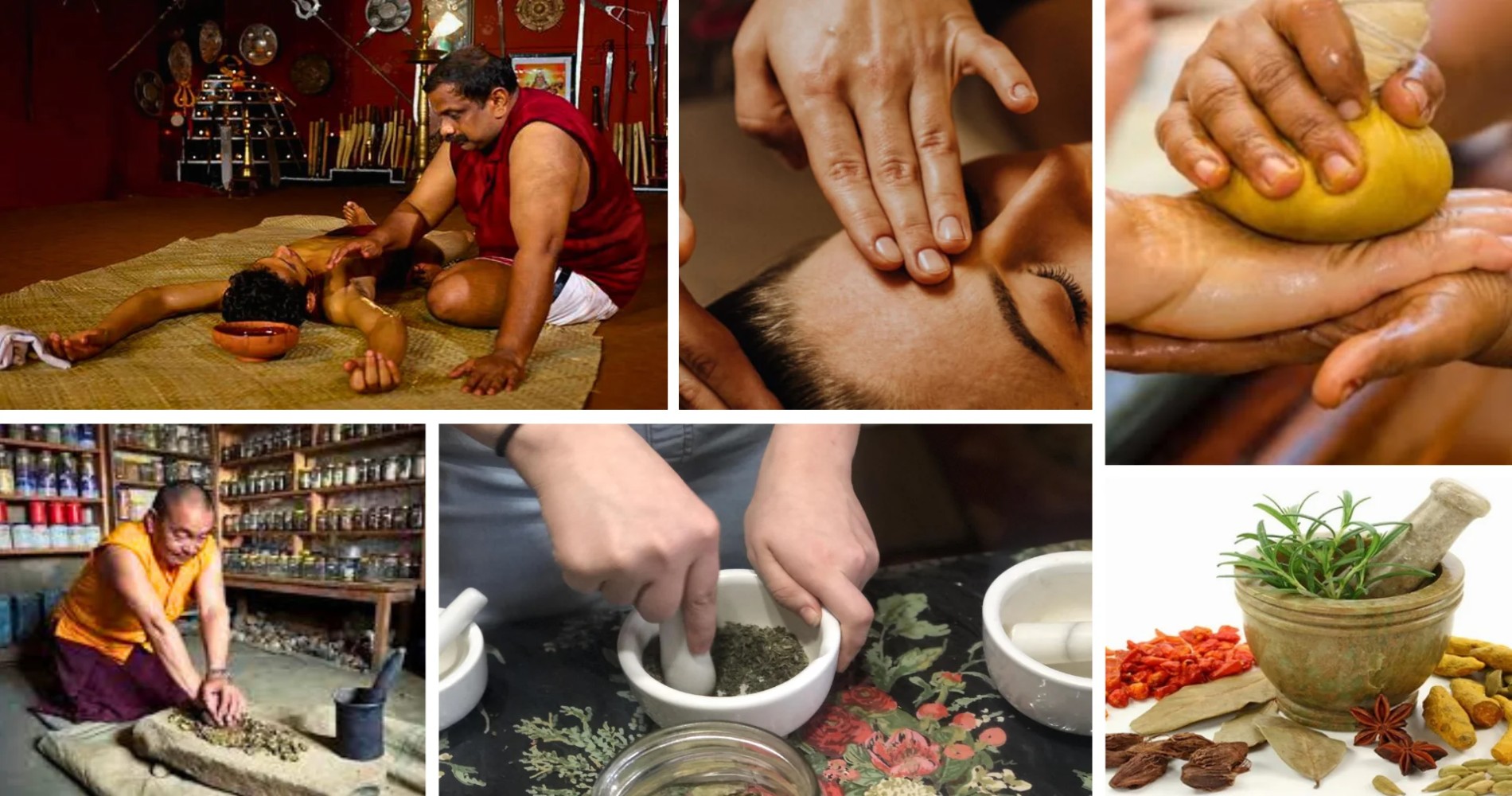
There is a need to merge the principle of integrity in Ayurveda therapies with safety in tourism as follows:
Critical Safety Considerations:
- Clean and Licensed Therapy Space (Infection Control)
- Qualified Therapists
- Pre-therapy Assessment and Documentation
- Emergency medical availability
- Keeping of records and recording of incidents
This is clearly reflected in the NABH AYUSH Hospital standards and the state inspection criteria.
4.3 Standard Operating Procedures (SOPs)
SOPs make sure that the delivery of therapy, especially Panchakarma and detox therapy, is safe and effective through a systematic approach that includes:
- Pre-therapy evaluation and Prakriti assessment
- Dosage documentation
- Contraindication checks (medical history)
- Patient monitoring during therapy
- Post-therapy follow-ups and nutritional advice
Such accredited centers make publications on their ‘SOP manuals’ that encompass staff accordingly − and this too is encouraged in the norms set down in the NABH as well as the Ministry of Tourism.
5. Addressing Commercialization vs Classical Integrity
5.1 The Commercialization Dilemma
Increasingly, as the practice of ayurveda tourism grows, the profit factor may compromise the classical norms of the practice, which emphasized the concepts of authenticity, personalization, and safety. For example :
- Over promotion of treatments without evidence
- Shortening therapy sessions as a means of profit
- Misleading Health Claim Guides
- A care practitioner unqualified to do so
These concerns necessitate the implementation and enforcement of ethical and clinical standards.
5.2 Balancing Traditional Philosophy with Evidence
Attempts to harmonize classical Ayurvedic practice with modern requirements:
- Integrative outcome monitoring
- Documentation of Therapy Responses
- Research Collaboration through AYURGYAN and CCRAS
- Clinical trials for Ayurvedic procedures
All of this is in line with the global trends of evidence-based traditional medicine that have put the Indian model of ayurvedic tourism on the map competitively.
6. Challenges & Strategic Priorities
Despite strengthened regulation, several challenges remain:
6.1 Inconsistent Implementation Across States
Different states vary in enforcement rigor. Coordinated federal-state monitoring is required for uniform service quality.
6.2 Need for Outcome-Based Evidence
Ayurveda therapy outcomes lack standardized global reporting frameworks. More clinical studies and quality outcome registries are needed.
6.3 Insurance & International Recognition
While AYUSH claims are on an increase in insurance uptake, a number of insurers still appear hesitant to comprehensively cover the wellness procedures. This is due to non-availability and standardization of uniform protocols, which again is an area for future development.
Conclusion
What rapidly grows in India is the regulatory framework for Ayurveda tourism, which encompasses policy, licensing, accreditation, safety, and ethics as measures of protection aimed at maintaining public health in general while continuing to be attractive for international wellness travelers.
By combining:
- Ministry of AYUSH oversight
- NABH/NABL Accreditation
- AYUSH visa facilitation
- Ethical practice norms
- Evidence-oriented quality control
India can ensure Ayurveda tourism is credible, safe, ethical, and sustainable not only as a cultural heritage asset but also as a world-recognized health and wellness offering.
Related Blogs
Diving Sites in Port Blair
Diving Sites in Havelock Island
Diving Sites in Neil Island
Talk to our Scuba Diving Expert