


Dive Smart with These New Andaman Diving Guidelines 2026
Scuba diving in the Andaman and Nicobar Islands has been one of the most immersive travel experiences in India. The islands have crystal clear waters, colourful coral reefs and marine biodiversity that attracts divers all over the world. Nevertheless, as the number of tourists and divers grew, a systematic and controlled system became necessary. In reaction, the Andaman government has enacted the new scuba diving regulation in 2026, which has developed an all-encompassing system that is centred on safety, transparency in the operations and environmental safeguarding. These new rules not only change the work of the dive operators but also the tourists, beginners, and certified divers. This guide tells you all you need to know in a practical and easy-to-understand manner, so you can know how these rules will influence your diving experience.
Why the 2026 Diving Rules Matter
The new rules will make Andaman a safe and globally competitive diving destination. These rules are not aimed at limiting diving but to make it more dependable and professionally controlled.
The Andaman administration has developed a system that is advantageous to both the tourists and the operators by adhering to international training standards and regulatory practices.
The key focus areas include:
- Standardising dive centre operations
- Reducing accidents through strict safety protocols
- Protecting fragile coral ecosystems
- Ensuring accountability and transparency
Understanding the New Scuba Diving Rules of 2026
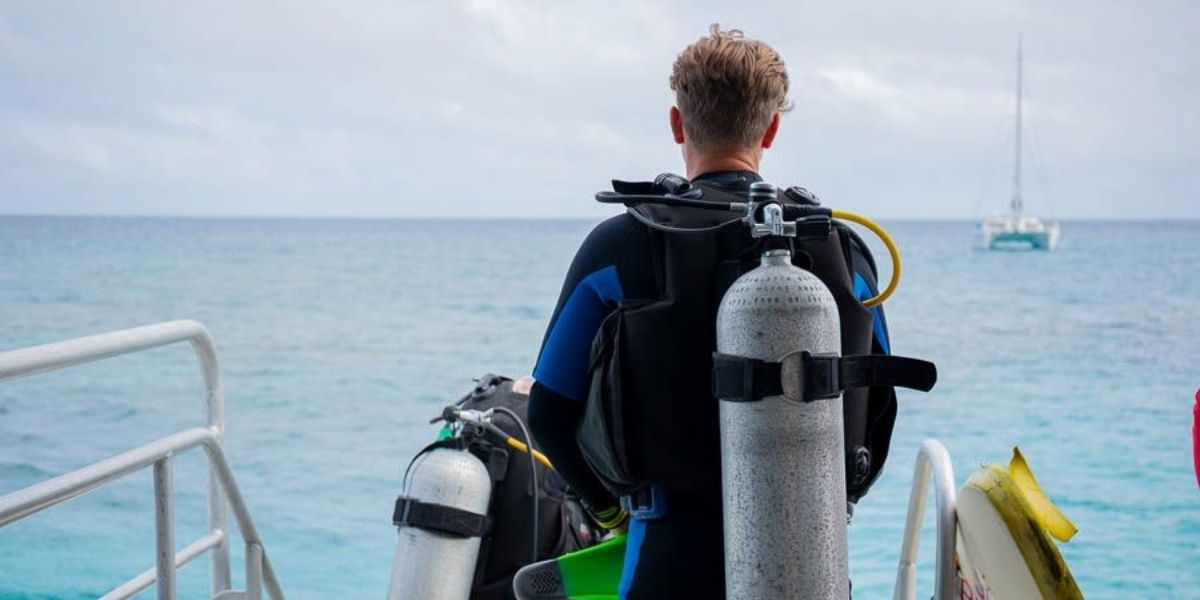
1. Registration and Legal Framework for Dive Centres
All scuba diving centres are now supposed to be registered before they can operate. This will make sure that only legitimate and abiding operators are permitted to operate in the islands. Dive centres are required to provide business qualifications, instructor qualifications, and business operations.
Before applying, foreign operators must be issued a Restricted Area Permit (RAP). Another need is that all the guidelines should be conspicuously posted in the premises of the dive centre, so that there is awareness among the divers and staff.
Key Registration Details
Requirement | Details |
| Application Fee | ₹5,000 |
| Annual Fee | ₹8,000 |
| Validity | 1 year |
| Renewal Timeline | 60 days before expiry |
| Processing Time | 30 days |
People Also Search - Reasons Why Andaman Islands are Perfect for Game Fishing in India
2. Classification of Dive Centres
The new system will split the dive centres into two groups, which will directly affect the training standards and diving permissions. This categorisation assists in making sure that operators can manage the skill level of divers.
Category | Description |
| Category A | WRSTC-certified, ISO compliant, allows advanced diving |
| Category B | NIWS-compliant, limited to basic diving activities |
3. Safety Framework: The Foundation of All Operations
The 2026 guidelines are based on safety. Dive centres have now been mandated to have a systematised safety ecosystem, hence being ready to handle any circumstance. The rules do not exist as individual actions, but as a whole safety environment, in which equipment, training of staff, and emergency preparedness interact.
Also, the instructors should have professional insurance for diving, and operators are liable for the expenses that may occur due to negligence. The presence of a designated base leader or responsible staff member at the dive centre during operations is necessary to ensure that there is constant supervision.
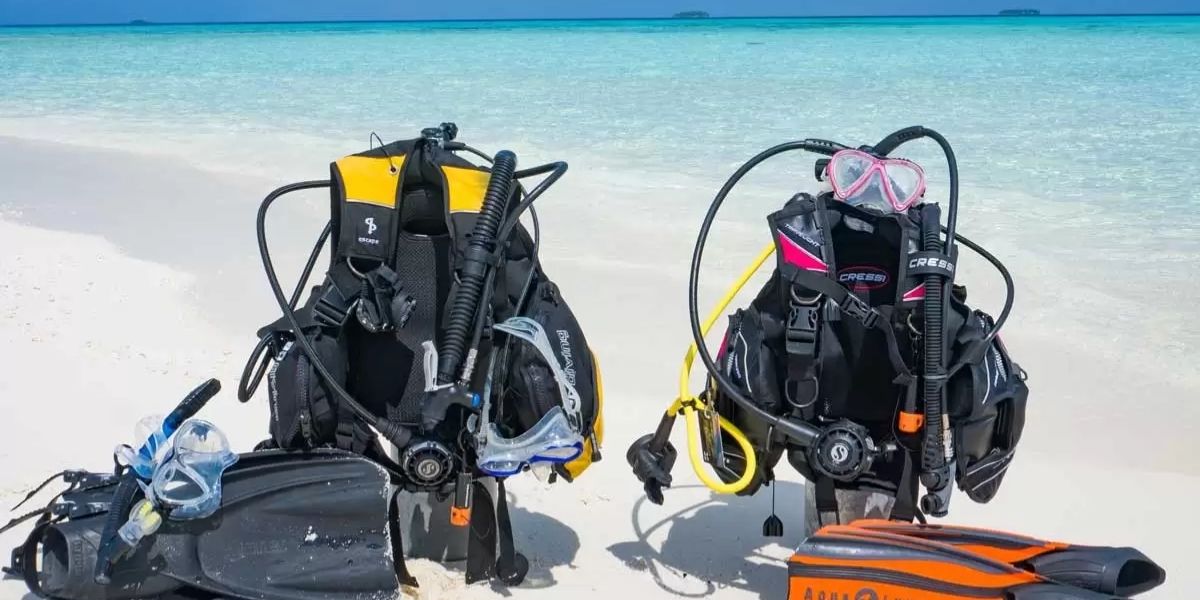
Dive centres must maintain:
- A documented and approved Emergency Action Plan (EAP) must be in place
- Oxygen cylinders and fully stocked first aid kits must be available at all times
- Reliable communication systems, such as radios or walkie-talkies, must be operational
- Certified instructors with valid emergency response and first aid training must be present
- Third-party insurance coverage of at least ₹10 lakh per diver is mandatory
- Professional dive insurance must be held by all instructors and dive staff
- A designated base leader or responsible staff member must be present during operations
- Staff must be trained and familiar with executing emergency procedures effectively
- Immediate access to emergency transport and the nearest medical facilities must be ensured
- Dive centres must maintain safety equipment in working condition at all times
- Regular safety checks and drills must be conducted for staff preparedness
- Proper coordination must be maintained between dive teams and the surface support crew
- Emergency contact details of authorities and rescue teams must be readily available
- Dive centres must ensure compliance with all safety standards before every dive
4. Emergency Action Plan: Structured Response System
An Emergency Action Plan is not only a precaution but an obligatory operational requirement. It makes sure that all the dive centres are ready to be quick and effectively to any emergency.
The plan must cover:
- Missing diver search procedures and recall methods
- Immediate first aid response and on-site medical assistance
- Evacuation and transport arrangements to the nearest medical facility
- Communication with authorities such as the Coast Guard, Police, Tourism Department, and Port authorities
- Emergency contact details of hospitals, rescue teams, and relevant authorities
- Clear roles and responsibilities of dive staff during an emergency
- Availability and use of emergency oxygen and first aid equipment
- Coordination between the dive boat crew and the shore-based support team
- Procedures for handling diving-related injuries, such as decompression sickness or barotrauma
- Continuous communication between the dive site and the base station during emergencies
- Incident reporting and documentation after the event
- Regular training and drills for staff to ensure preparedness
Must Know - Rent vs. Buy Scuba Gear: What’s Best for You?
5. Depth Limits and Dive Planning
The implementation of severe depth limits according to the experience of the diver is one of the most influential changes. These boundaries are strictly followed and are not allowed to be surpassed under supervision. Every dive should be well calculated beforehand, and deviation should not be made unless necessary caused by safety reasons.
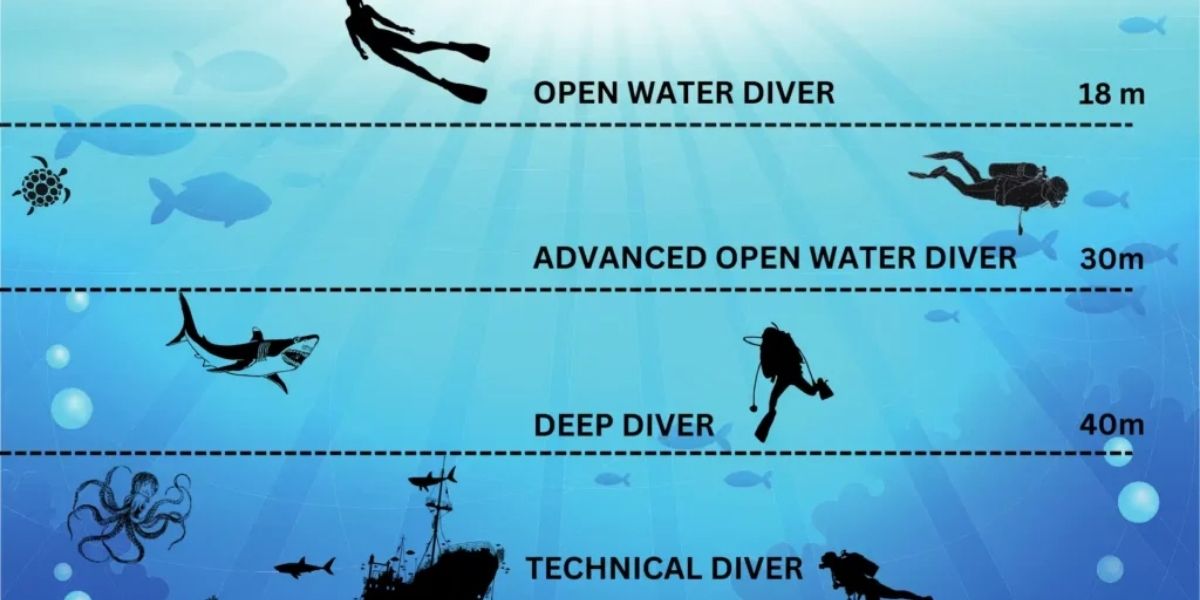
Diver Type | Maximum Depth |
| Introductory divers | 12 meters |
| Entry-level certified divers | 18 meters |
| Advanced divers | As per certification |
| Deep diving | Only with specialised training |
6. Understanding Low-Risk Diving Conditions
Only safe or low-risk conditions are permitted to dive. This will make sure that environmental factors do not jeopardise the safety of the divers.
A dive is considered low-risk when:
- The depth remains within prescribed limits
- Wave height is below 0.5 meters
- Water currents are minimal and manageable
- Underwater visibility exceeds 4 meters
- Diving occurs during daylight hours
- Sea conditions are stable with no sudden weather changes
- Entry and exit points are safe and easily accessible
- Surface conditions allow safe boat positioning and monitoring
- Divers can comfortably swim against the current with minimal effort
- Proper supervision and surface support are available throughout the dive
- Communication between divers and surface crew is reliable
- No environmental or operational hazards are present at the dive site
Things to Know More - Set Up Your Scuba Diving Kit Step-by-Step
7. Prohibited Diving Activities
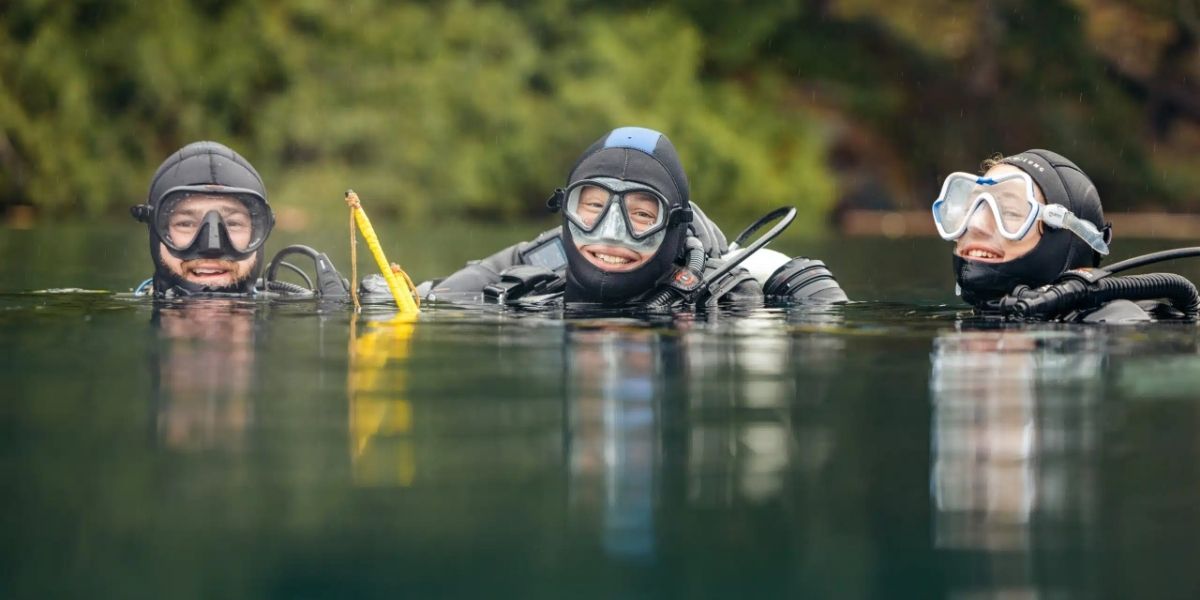
Some of the practices are entirely prohibited by the new regulations to remove unnecessary risks.
Diving is not permitted in the following situations:
- When exceeding certified depth limits
- Within 24 hours before flying in a pressurised aircraft
- In restricted, prohibited, or unapproved diving zones
- As a solo activity under any condition (solo diving is strictly prohibited)
- Conducting introductory dives beyond 12 meters
- Entry-level divers attempting dives deeper than 18 meters
- Undertaking decompression dives without proper authorisation and training
- Diving in unsafe or adverse weather and sea conditions
- Diving without proper supervision by certified dive centre staff
- Diving without a valid certification or required documentation
- Ignoring safety briefings or violating established dive plans
- Using defective, poorly maintained, or non-compliant equipment
8. Diver Eligibility and Medical Requirements
Requirement | Description |
| Certification Card | A valid diving certification from a recognised agency (PADI, SSI, CMAS, etc.) |
| Dive Logbook | Proof of diving experience through a physical or digital logbook |
| Medical Declaration Form | A completed medical questionnaire confirming fitness to dive |
| Doctor’s Approval (If Required) | Mandatory if any medical condition is marked “YES” in the declaration form |
| Liability Waiver Form | Signed consent form acknowledging risks associated with scuba diving |
| Diver Registration Form | Completed the form provided by the dive centre before participation |
| Identification Proof | Valid ID for verification and record-keeping purposes |
| Parental/Guardian Consent | Required for minors before participating in any diving activity |

9. Orientation Dive: Skill Assessment Before Diving
Even the experienced divers might be required to take an orientation dive.
This is required if:
- The diver has limited experience (less than 30 logged dives)
- There has been a long gap since the last dive (typically 3 months or more)
- The diver is unable to provide a valid or updated dive logbook
- The diver appears unsure or lacks confidence in basic diving skills
- The diver is unfamiliar with local dive conditions or the environment
- The diver is transitioning to different equipment or diving conditions
- The dive instructor considers it necessary based on the safety assessment
10. Equipment Standards and Technical Reliability
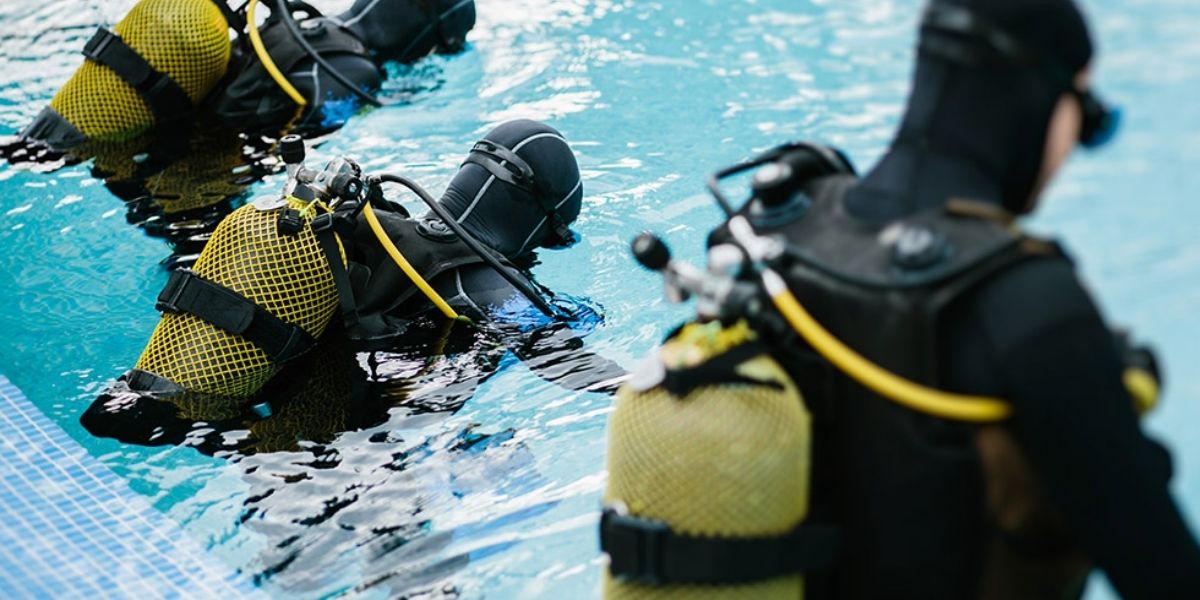
The rules provide high standards of equipment to provide reliability and safety at sea. All divers should be adequately prepared with the necessary equipment that aids in breathing, flotation, navigation, and emergency rescue.
Each diver must be equipped with:
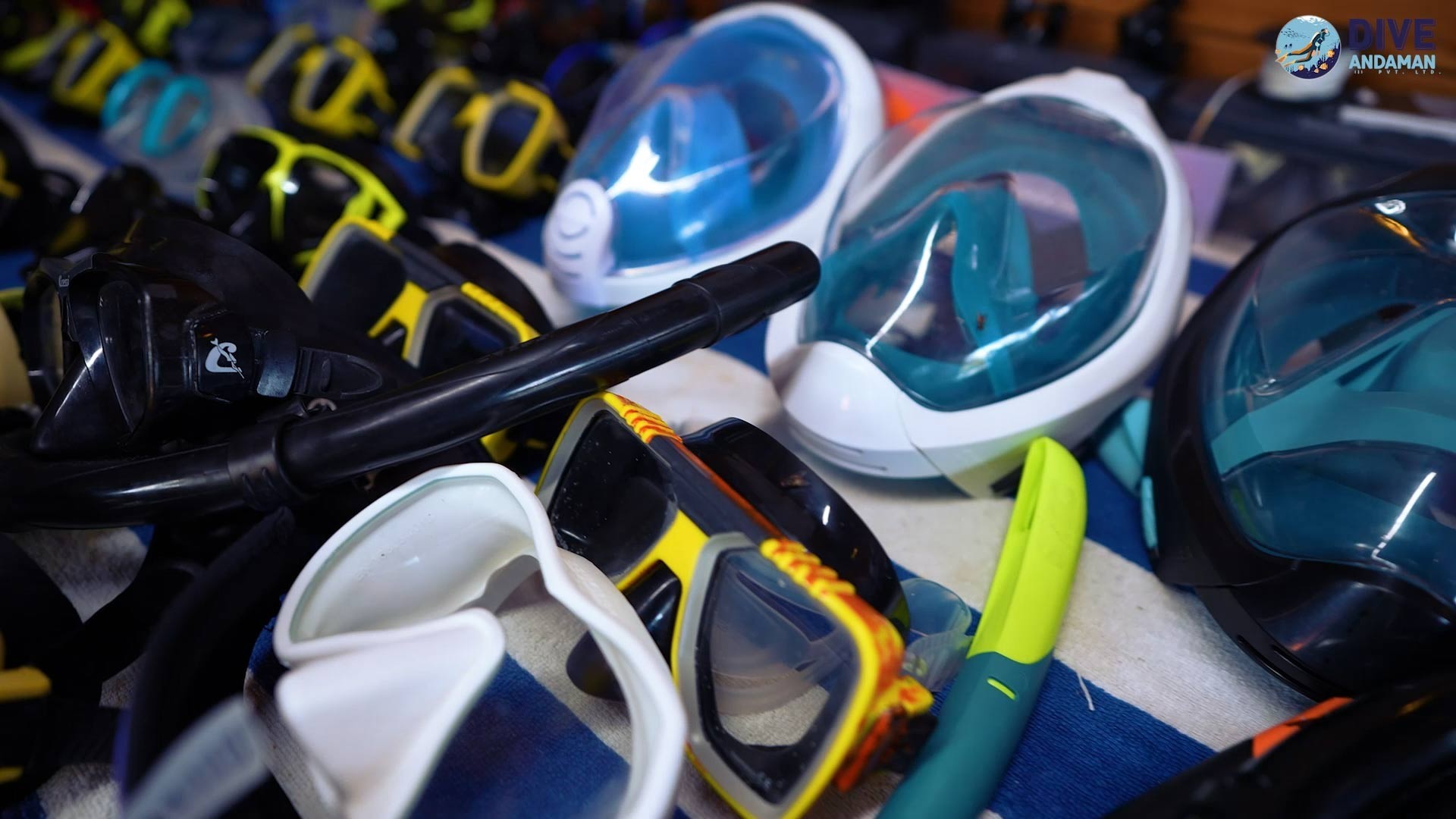
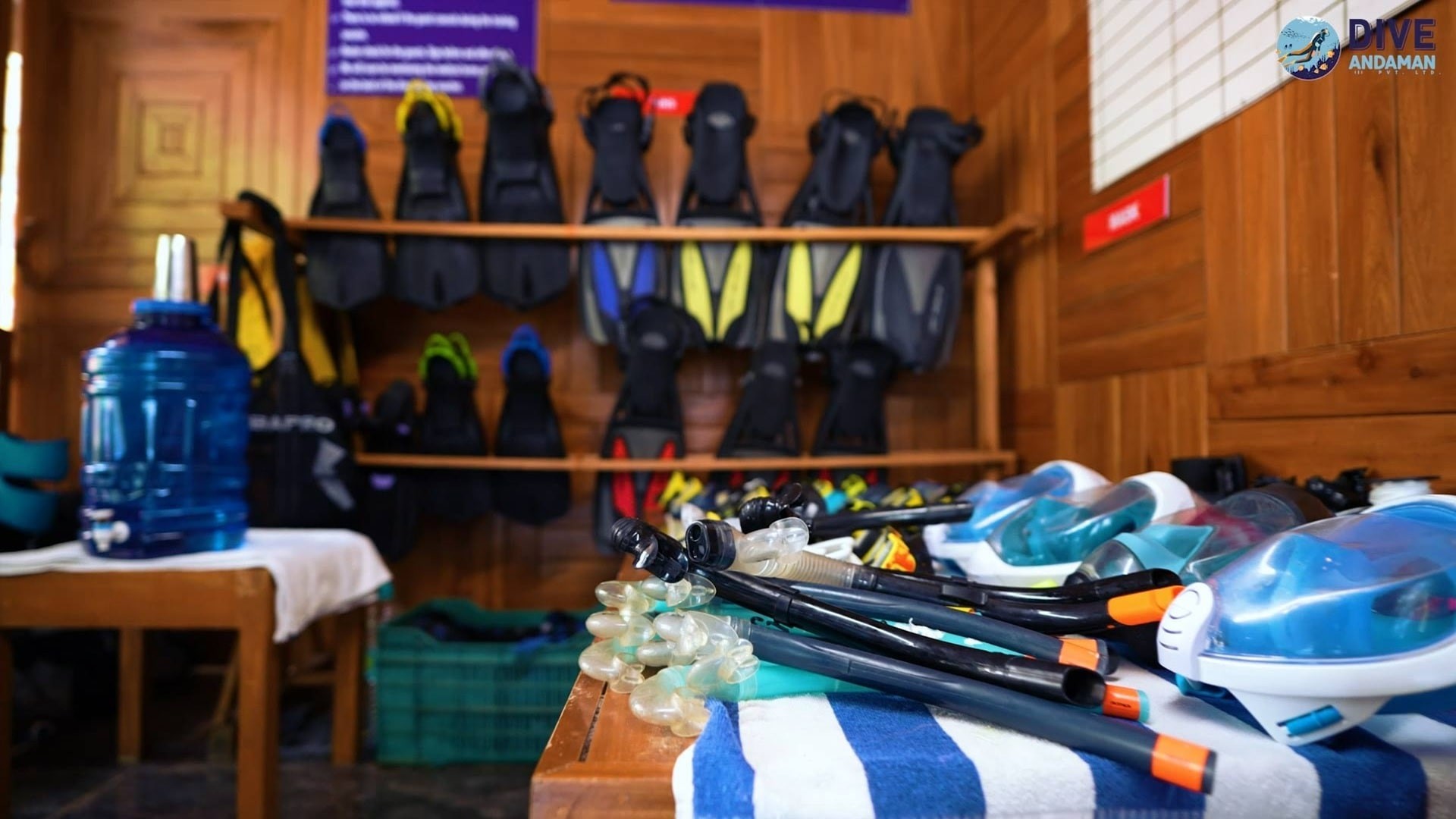
- Mask, snorkel, and fins for basic mobility and visibility
- Buoyancy Control Device (BCD) with an oral and low-pressure inflator
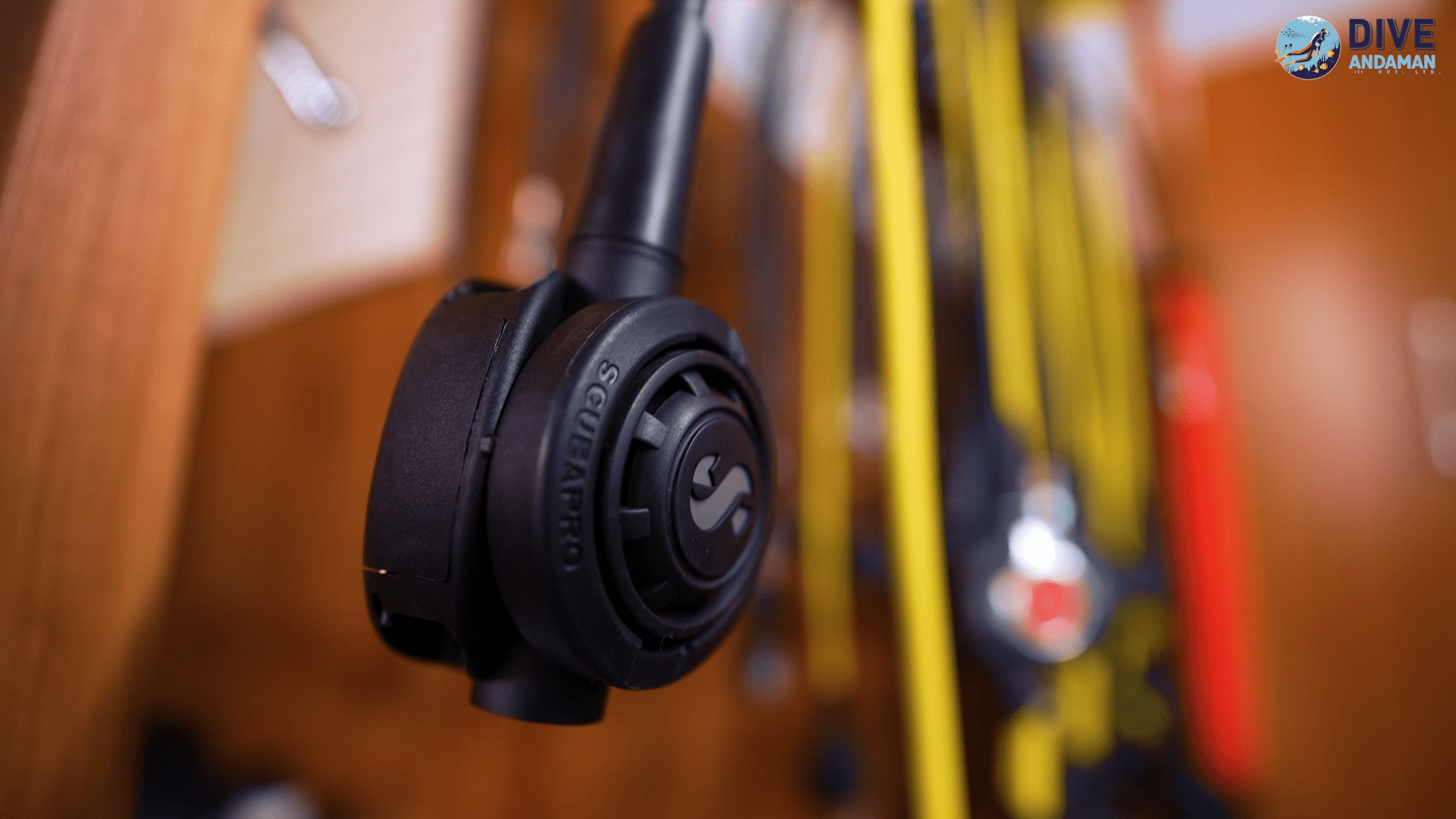
- Regulator with a submersible pressure gauge and a mandatory alternate air source
- Depth and time measuring devices, such as a dive computer or gauges
- Surface Marker Buoy (SMB) and whistle for emergency signalling at the surface
- An adequate air supply cylinder suitable for the dive
11. Air Quality and Cylinder Safety
Requirement | Description |
| Cylinder Pressure Testing | Cylinders must be pressure tested as per PESO regulations before use |
| Annual Inspection | Cylinders must undergo visual inspection annually, and maintenance logs must be maintained |
| Air Quality Certification | Air Quality Check Certificate (AQC) must remain valid at all times |
| Compressor Maintenance | Compressor filters must be replaced regularly as per the manufacturer's guidelines |
| Maintenance Records | All testing, inspections, and servicing must be properly recorded in log books |
| Damaged Cylinder Protocol | Any cylinder subjected to damage or impact must be retested before reuse |
12. Dive Roster and Operational Monitoring
Record-keeping is mandatory, and it enhances operational transparency.
Dive centres must maintain detailed logs that include:
- Dive time and total duration of each dive
- Maximum depth reached during the dive
- Remaining tank pressure after completion of the dive
- Entry and exit time of divers (especially for shore-based dives)
- Names and details of all participating divers
- Certification level and experience of each diver
- Dive site location and conditions during the dive
- Name of supervising instructor or dive master
- Equipment used and any issues reported during the dive
- Details of any incident, irregularity, or emergency (if occurred)
- Confirmation of pre-dive briefing and safety checks conducted
- Records must be securely maintained and available for inspection for at least one year
13. Dive Boats: Safety, Crew and Equipment
Dive boats are important in offshore diving, and their control has been enhanced greatly. Besides the standard equipment, boats should have spare tanks and back-up diving equipment in case of an emergency. The operators are required to give daily trip plans to the authorities and adhere to all weather warnings closely.
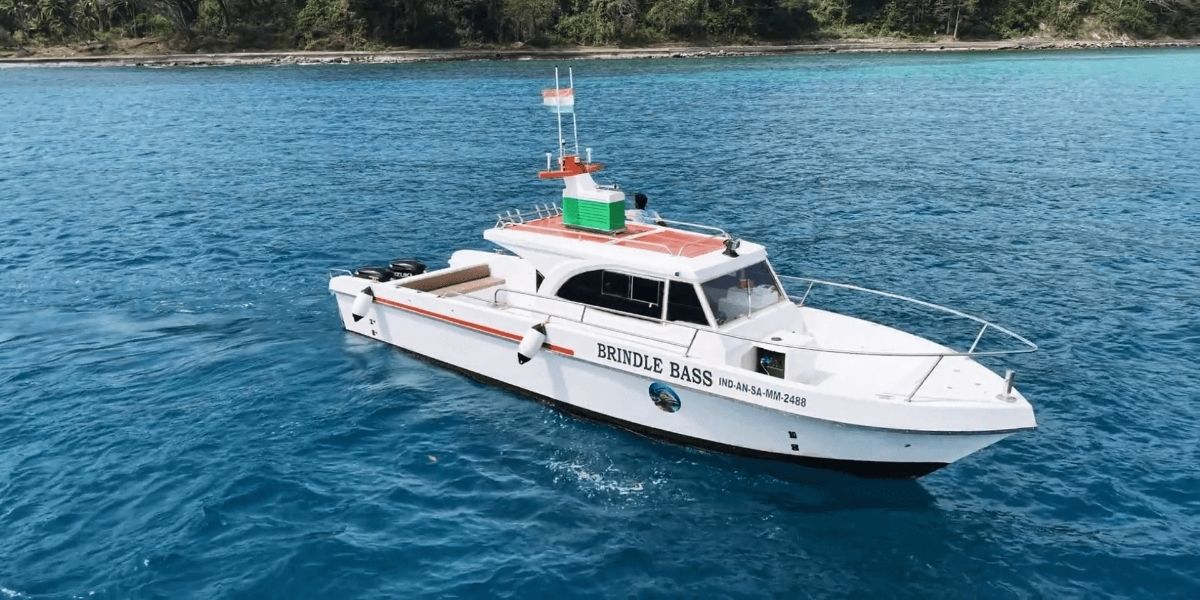
Mandatory Boat Requirements
Requirement | Details |
| Crew | Minimum 3 members |
| Equipment | Oxygen kit, first aid, communication system |
| Safety | Life jackets, dive flag signalling tools |
| Compliance | Registered under maritime laws |
14. Anchoring and Coral Protection
The new rules focus on marine conservation. Anchoring is also highly controlled so as not to damage coral. Also, it is recommended that the dive centres should have visible buoys (preferably orange) to identify diving zones and provide safety.
- Anchoring on coral reefs or sensitive marine habitats is strictly prohibited.
- Boats must anchor only in sandy areas or use designated mooring buoys
- Anchoring near protected zones, marine parks, or wildlife areas is restricted without permission
- Boat crews must ensure anchoring does not cause any damage to corals or the seabed
- In areas with installed mooring buoys, their use is mandatory instead of anchors
- Extra caution must be taken in reef zones where buoys are not available
- Anchoring practices must comply with guidelines issued by forest and marine authorities
- Any damage caused due to improper anchoring can lead to penalties and legal action
- Dive boats must maintain a safe distance from reef structures while stationary
- Anchoring is not permitted within restricted buffer zones of protected marine areas
15. Communication and Monitoring Requirements
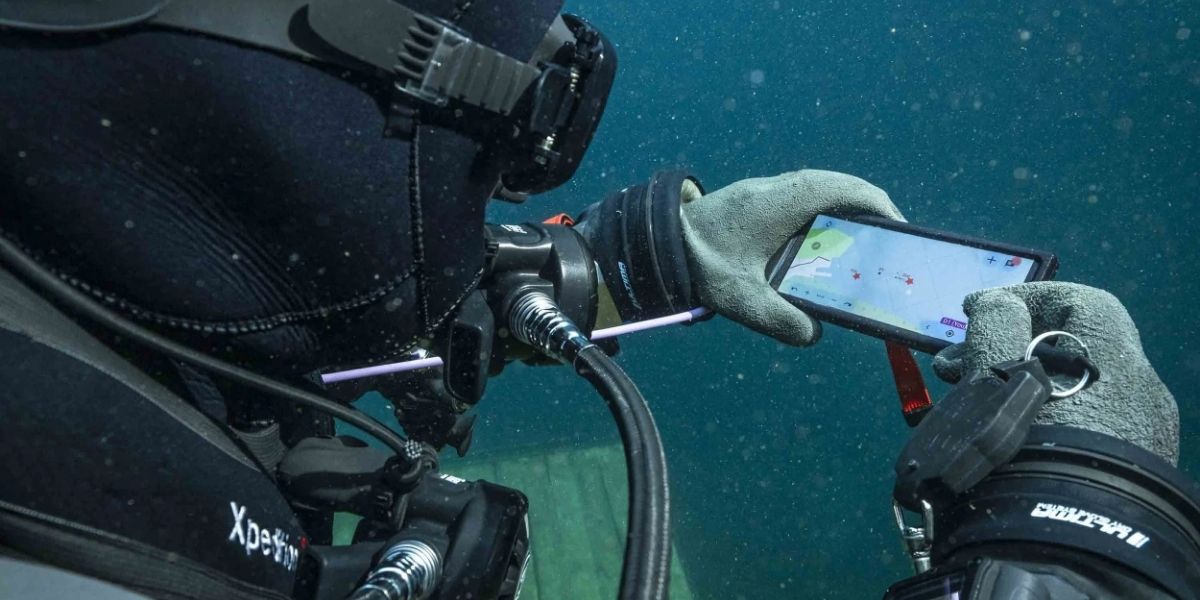
Dive centres should have good communication with the authorities during operations.
They are required to:
- Inform the Port Management Board (PMB) of daily dive schedules before operations begin
- Submit boat manifest and trip details to the local Port Master’s Office
- Report any changes in dive plans or boat movements in advance
- Coordinate with local control rooms, beach officers, and tourism authorities
- Maintain continuous communication between the dive centre and the dive sites
- Notify authorities immediately in case of emergencies or delays
- Follow all weather advisories and operational instructions issued by authorities
- Use only registered and authorised communication channels
- Inform authorities when operating in protected or restricted areas
16. Environmental Protection Guidelines
The regulations of 2026 give a high priority to the protection of marine ecosystems.
Divers must avoid:
- Touching, standing on, or damaging corals and reef structures
- Collecting or removing marine flora, fauna, shells, or any underwater objects
- Dumping waste, plastics, or any kind of garbage into the sea
- Discharging sewage or pollutants in reef or diving areas
- Using chemicals, explosives, or any other harmful substances that may damage marine life
- Disturbing marine animals, chasing them, or interfering with their natural habitat
- Feeding marine life, which can disrupt natural behaviour patterns
- Anchoring boats on coral reefs or sensitive marine areas
- Causing physical contact with the seabed that may disturb ecosystems
- Removing or tampering with underwater artefacts, wrecks, or natural formations
17. Night Diving Rules
Night diving is also allowed, though it needs extra safety measures.
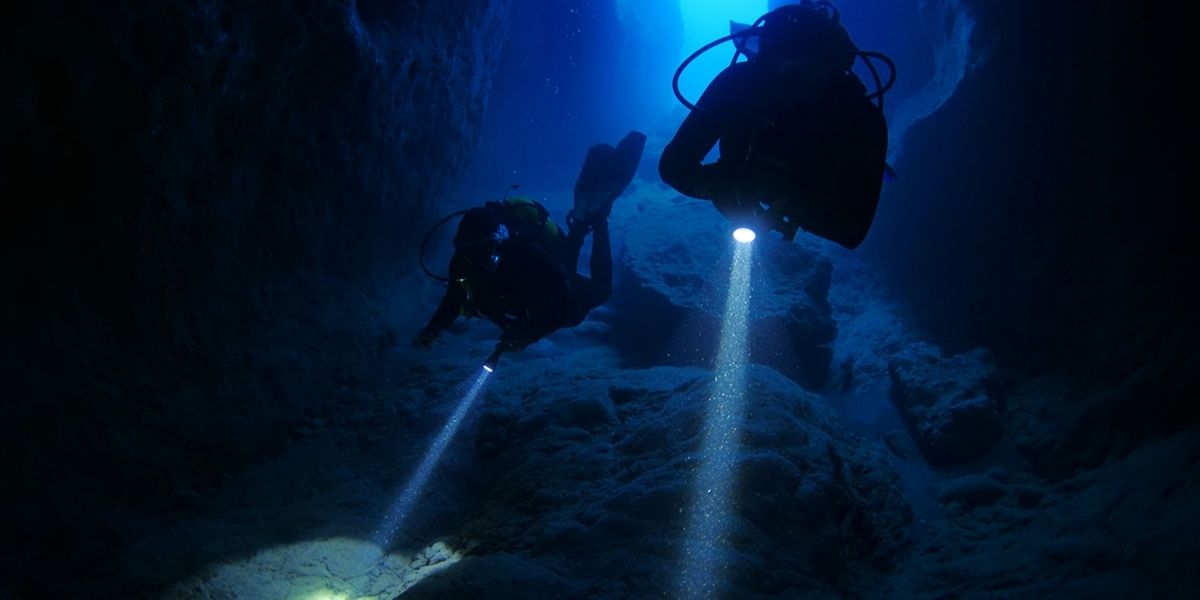
Divers must use:
- Backup lighting equipment for every diver to ensure visibility in case of primary light failure
- Primary underwater torch for navigation and communication
- Marker lights (preferably coloured blinking lights, such as red) are placed in the diving area for visibility to other boats
- Personal marker lights for each diver to help identify location underwater and on the surface
- Reflective Surface Marker Buoy (SMB) for better surface visibility
- Support vessel present at all times to monitor and assist divers from the surface
- Continuous surface supervision to track diver movement and ensure a quick response if needed
- Clear communication signals and protocols between divers and surface crew
- Emergency signalling devices such as whistles or audible alerts
- Proper briefing before the dive covering night-specific risks, entry/exit procedures, and navigation techniques
18. Instructor Responsibilities and Training Standards
Dive instructors play a pivotal role in safe operations and have to be highly qualified.
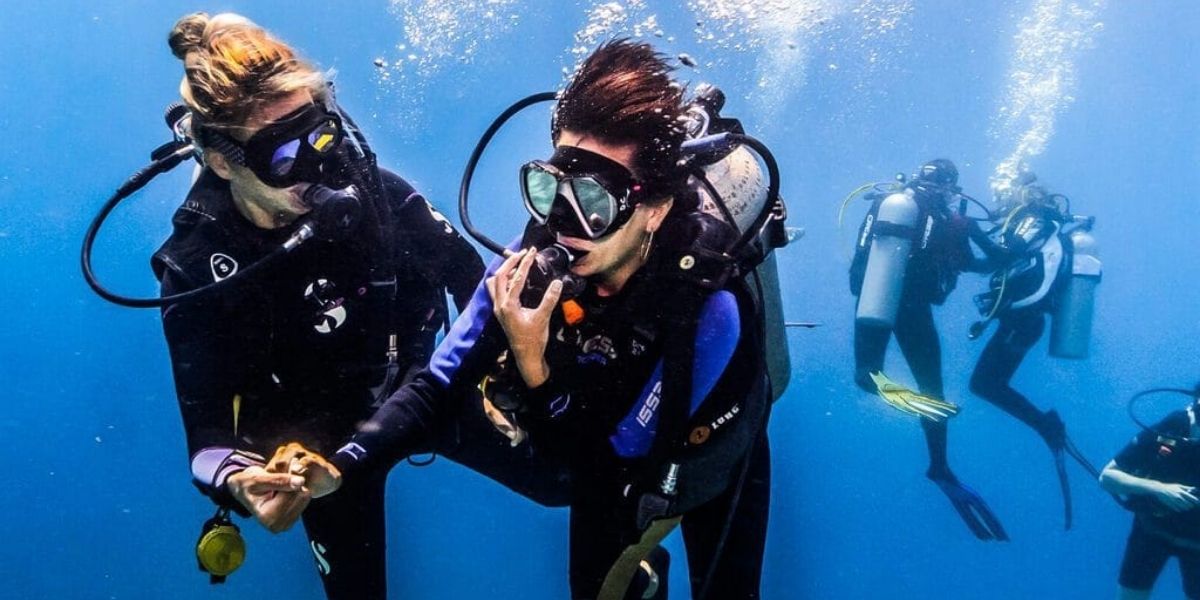
They are responsible for:
- Conduct detailed pre-dive briefings covering safety protocols, dive site conditions, and potential hazards
- Assess diver readiness based on skills, experience level, and medical suitability
- Supervise all diving activities as per recognised training agency standards
- Ensure divers follow depth limits, safety procedures, and approved dive plans
- Maintain and verify all required documentation, including waivers, medical forms, and certifications
- Monitor diver behaviour underwater and intervene to prevent unsafe situations
- Manage dive rosters by recording dive time, depth, and remaining tank pressure
- Ensure all diving equipment is functional, properly fitted, and compliant with safety standards
- Respond promptly to emergencies and execute the Emergency Action Plan (EAP) effectively
- Coordinate with boat crew and surface teams for safe and smooth dive operations
- Provide orientation or refresher dives for inexperienced or inactive divers when required
- Educate divers on environmentally responsible practices and marine conservation
- Ensure proper use of safety equipment such as SMBs and alternate air sources
- Maintain active certifications and stay updated with recognised diving agency standards
19. Pricing Transparency and Consumer Protection
Dive centres should have transparent pricing policies to be fair.
They are required to:
- Display rate cards clearly and prominently at the dive centre premises
- Provide proper receipts to all tourists and guests for every transaction
- Maintain transparent pricing for all dive services, courses, and packages offered
- Inform authorities in writing if there is a significant change in pricing (beyond 20%), along with an updated rate card
- Maintain proper records of all customers, services provided, and fees charged
- Ensure that discounts, if offered, are applied transparently without misleading pricing practices
- Avoid hidden charges or undisclosed costs in any diving activity or package
20. Approved Diving Areas and Restrictions
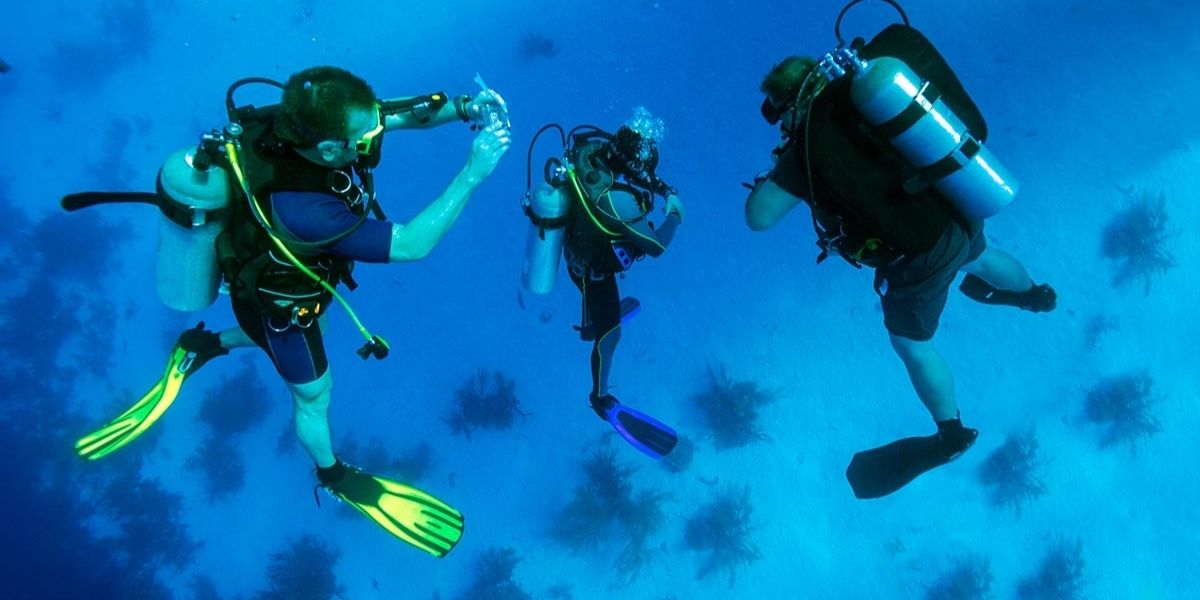
Only approved areas by the authorities are allowed to dive. Illegal exploration is highly prohibited, and it can damage marine ecosystems, as well as raise safety concerns.
Penalties and Enforcement- The administration has implemented strict enforcement mechanisms to ensure compliance.
Violations can result in:
- Suspension or cancellation of registration/licence of the dive centre
- Financial penalties and recovery of costs incurred during rescue or emergency operations (in case of negligence)
- Legal action in serious cases, especially those involving environmental damage or safety violations
- Administrative hold on registration if annual compliance documents are not submitted on time
- Disciplinary action against dive centre staff and instructors for repeated or deliberate violations
- Immediate restriction or prohibition from conducting further diving activities
- Rejection or cancellation of renewal applications by the Directorate of Tourism
- Damages caused to marine ecosystems, including penalties under applicable environmental laws
What Changed in 2026
Aspect | Before | After 2026 |
| Safety Standards | Moderate | Strict and structured |
| Depth Limits | Flexible | Clearly defined |
| Monitoring | Limited | Continuous |
| Environmental Rules | General | Strict enforcement |
What These Rules Mean for You
These regulations eventually make the experience of tourists and divers safer and more trustworthy. As much as they bring in stricter checks, documentation and well-defined limits, they also see to it that all dives are carried out under professional guidance and controlled circumstances. Practically, this implies that you are much less likely to come across untrained operators, equipment that is not in good condition, or unsafe diving habits. It is not only the first-time scuba divers or certified divers, but also the new structure is able to provide some consistency in quality and safety across all the dive centres in the Andaman Islands.
Meanwhile, these regulations are beneficial to maintain what makes Andaman special in the first place, its clean coral reefs and abundant marine life. The damage to the ecosystems is minimised, and the diving activity is controlled to ensure that the experience is as beautiful to the visitors as it is now. These rules do not limit your adventure; on the contrary, they make it better. You have a more organised, predictable, and safe diving experience, where the emphasis is on fun without jeopardising safety or sustainability.
A New Era of Safe and Sustainable Diving in Andaman
The 2026 scuba diving laws are a significant change in the management of underwater tourism in the Andaman and Nicobar Islands. They are not merely a collection of rules but create a long-term vision, one that would balance the development of tourism with environmental responsibility and international safety standards. These rules put Andaman on the same level as international diving spots, where stringent measures are not perceived as restrictions but as necessary precautions. The training standards and compulsory insurance, a better monitoring system, and environmental protection are all aspects of the diving experience that have been reinforced.
This translates to more peace of mind among the travellers. You can concentrate on the exploration of colourful reefs, meeting with marine life, and enjoying the underwater world, and you know that your safety is a priority at all times. To the industry, it provides a more professional and responsible ecosystem that is beneficial to both the operators and the visitors. These rules are no longer a choice, but an obligation, in case you are planning a scuba diving trip to Andaman in 2026 or later. The proper preparation and awareness would make you experience one of the most extraordinary marine experiences in India, which is now made safer and more sustainable than ever before.
Our Gallery
.jpg)
.jpg)
.jpg)
.jpg)
.jpg)

Clients Video

Scuba Diving Courses
.jpg)
PADI Advanced Open Water Diver Course
View & Book Courses
PADI Emergency First Responder
View & Book Courses
PADI Open Water Diver Course Andaman
View & Book Courses.jpg)
PADI ReActivate Scuba Refresher Program
View & Book Courses
PADI Rescue Diver
View & Book Courses
PADI Scuba Diver Course
View & Book CoursesDiverCourse(1).jpg)
PADI Enriched Air (Nitrox) Diver Course
View & Book Courses.jpg)
PADI Night Diver Course
View & Book Courses.jpg)
Peak Performance Buoyancy Specialty
View & Book Courses
PADI Basic Freediver Course
View & Book CoursesBlogs
-
 Things to carry for Andaman Islands
-
Jul 28, 2022
When planning your trip to the heaven called Andamans, you need to be a little prepared. The clusters of islands of Andamans offer basic amenities but being prepared is always beneficial.
-
-
 Top 10 Scuba Diving Myths
-
Aug 08, 2022
You are likely to get one of these two reactions when you tell someone that you are a scuba diver. First, if the person is also a diver, then they will appreciate you and
-
-
 Things You Should Never Do Immediately After Scuba Diving
-
Aug 08, 2022
When we start exploring the underwater world by scuba diving, we get to know what we should do before and after our dive. But it is equally important to know what we should not be doing after diving
-
-
.jpg) Scuba Diving for Beginners
Scuba Diving for Beginners-
Aug 08, 2022
Scuba diving is for everyone! This enthralling water adventure activity is something that you have never experienced before. While diving, it feels like you are transported to another world where you are enveloped by incredible life
-
-
 Andaman Island Diving Sites
-
Aug 18, 2022
We at Dive Andaman believe this completely! Scuba diving is something that can offer you life-changing rewards. The first dive is the most special and unforgettable; no one can stop you after that. Diving is like meditation and once you have realized that, the oceans become a lot more in your life. The underwater world is like a paradise that promises to leave you spellbound with its hidden treasures. And that’s why diving is an extraordinary passion.
-
-
Why You Should Learn to Scuba Dive?
-
Apr 19, 2023
"75% of the Earth is water. Divers live on a much bigger planet." As a scuba diver, you can explore a gorgeous world under the ocean surface and make unlimited memories! When you start diving, you are bound to open up a new world of adventure in front of you. Scuba diving is an amazing water activity for everyone. It is exhilarating as well as tranquil. It is like meditation!
-
Frequently Asked Questions
-
Q. 1 : Can tourists refuse an orientation dive if they feel confident?
Although a diver may be confident, the decision lies with the instructor of the divers. The orientation dive is not an option but a safety measure. It makes sure that the diver is at ease and competent in prevailing circumstances.
-
Q. 2 : Are there any rules about how often dive equipment should be serviced?
Yes, the dive gear should be serviced in line with the recommendations of the manufacturer and recorded appropriately. Regular maintenance will ensure that it is dependable and reduce the possibility of the equipment breaking down in the water. Equipment that is not well-maintained should not be used.
-
Q. 3 : Can a diver switch dive centres after completing documentation at one centre?
Yes, but all paperwork would have to be done once again with the new dive centre. Every operator has its safety and compliance records. This will make sure that there is accountability on each dive.
-
Q. 4 : What happens if weather conditions suddenly change during a dive?
Dive teams are trained to deal with unexpected weather changes using established safety measures. Depending on the circumstances, the dive can be cut short or cancelled. Divers are safely recovered by coordinating surface teams and boats.
-
Q. 5 : Are there any restrictions on underwater photography during dives?
It is permissible to take underwater photography without disturbing the safety or marine life. Divers are not expected to touch the corals or disturb animals when they are taking photographs. Any practice that can cause harm to the environment is forbidden.
-
Q. 6 : Can non-swimmers participate in scuba diving under the new rules?
Yes, even those not able to swim can be initiated into diving under strict supervision. However, they are expected to follow all the safety measures and not exceed the controlled depth. The teacher analyses the comfort levels of the individual.
-
Q. 7 : Is it mandatory to dive with the same instructor throughout the session?
Not always, but all instructors involved should be certified and familiar with the dive plan. Effective communication among employees will guarantee continuity and safety. The dive centre as a whole is still responsible.
-
Q. 8 : How do dive centres ensure that marine life is not disturbed?
Before going into the water, divers are informed of the responsible behaviour. The activities are monitored by instructors to avoid harmful interactions. When there is a dive, there are stringent environmental rules that are followed.
-
Q. 9 : Can a dive be cancelled even after reaching the dive site?
Yes, the dives may be cancelled when conditions are perceived to be not safe on arrival. Safety comes first before the accomplishment of the activity. Such decisions are supposed to be cooperated by divers.
-
Q. 10 : Are there any limits on the number of divers per instructor?
Although precise figures are subject to training requirements, the supervision should be effective at any given time. Teachers should have the capability to keep track of all the divers. Crowding in the diving groups is prohibited.
-
Q. 11 : Are there any restrictions on repeat dives in a single day?
The repetition of diving is permitted but should be accompanied by safe diving intervals and rules. Diving planning provides sufficient rest between dives. There is no overwork and unhealthy schedules.
-
Q. 12 : How are emergencies communicated during a dive?
Hand signals are used by divers in the water and signalling equipment on the surface. Radio systems are used to maintain communication with the boat and the base station. This makes it respond fast in case of an emergency.
-
Q. 13 : Can divers bring their own equipment?
Yes, but it should be of the required safety standards and checked by the dive centre. Non-conforming or defective equipment will not be tolerated. The last decision is made by the instructor.
-
Q. 14 : Are dive centres allowed to operate in all areas of the Andaman?
No, they can only dive in approved and designated places. This assists in preserving vulnerable marine life. No-go zones are well-prohibited.
-
Q. 15 : What happens if a diver feels uncomfortable during the dive?
The diver is able to indicate to the instructor and cancel the dive at any time. The priority is given to safety and comfort rather than the completion of the dive. The team will help in a gradual climb.
-
Q. 16 : Can diving activities continue during minor technical issues?
No, even small problems should be solved to continue. Safety measures demand that all equipment and systems must be operational. Dives are not made until all is ascertained.
-
Q. 17 : Is there any monitoring of dive centres by authorities?
Yes, the operations and dive centres can be inspected by the authorised personnel at any time. Guideline adherence is checked on a regular basis. Failure to comply may result in fines or suspension.
-
Q. 18 : How do dive centres handle divers with different skill levels in a group?
The divers are classified according to their experience and certification levels. This makes sure that all people work within safe limits. Levelled diving without appropriate supervision is shunned.
-
Q. 19 : Can beginners choose deeper dive options if they feel comfortable?
No, novices are required to follow depth regulations strictly. Safety rules are not subordinated to confidence. The progression of depth needs to be certified and trained.
-
Q. 20 : What role does the surface support team play during a dive?
The surface team keeps an eye on the divers and provides immediate response in case of necessity. They keep in touch with the authorities and the dive centre. Their presence provides additional security.
Talk to our Scuba Diving Expert